
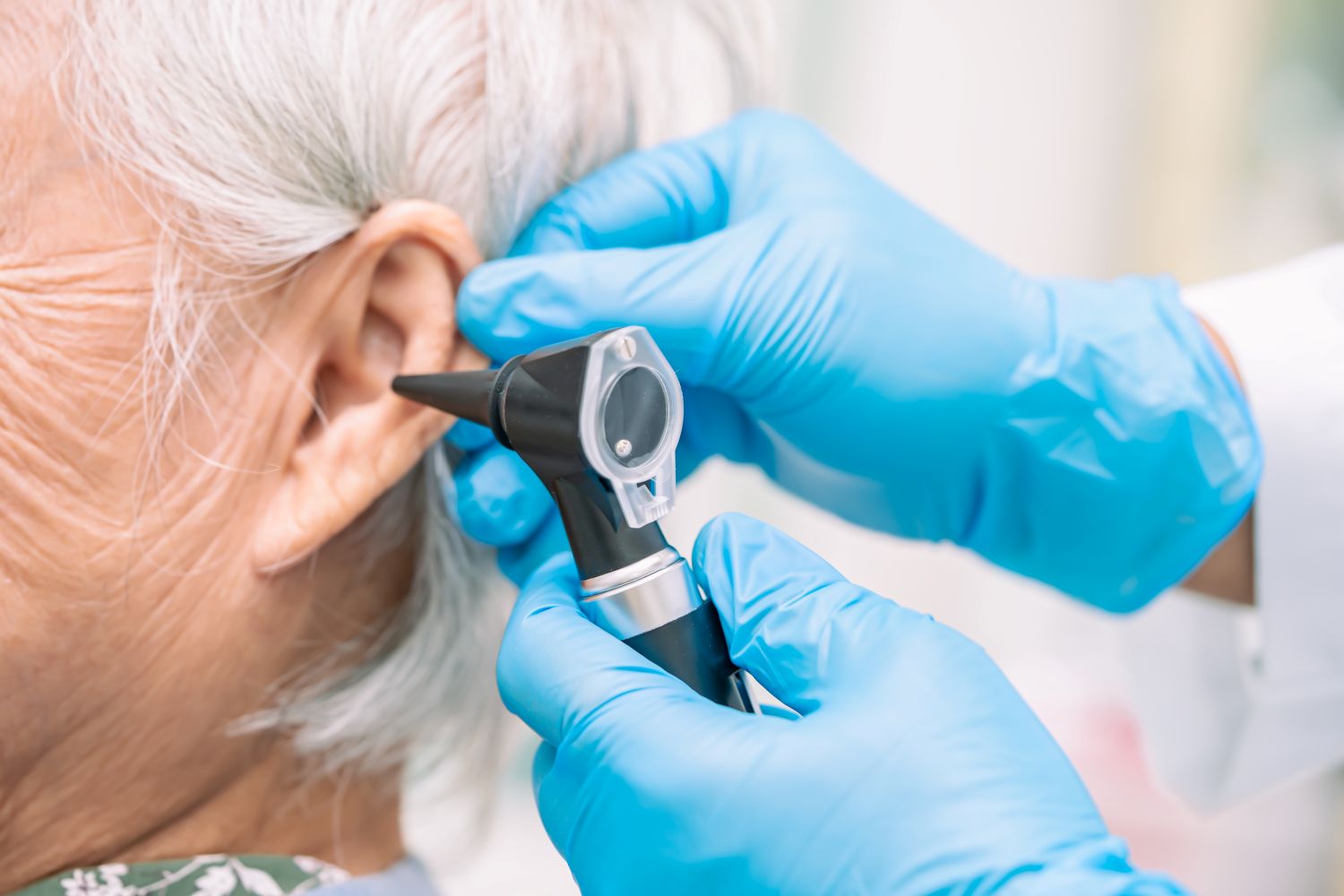
As we age, our bodies undergo various changes, and our ears are no exception. Hearing loss and ear diseases are common among the elderly, affecting their quality of life and overall well-being. Understanding the various ear diseases that can impact older adults is essential for prevention, early detection, and effective management. In this article, we will explore some of the most common ear diseases affecting the elderly, their symptoms, causes, and potential treatment options.
1. Age-Related Hearing Loss (Presbycusis)
Overview
Presbycusis is the gradual loss of hearing that occurs as people age. It is one of the most common ear-related issues in the elderly and can significantly impact communication and social interactions.
Symptoms
- Difficulty hearing conversations, especially in noisy environments
- Frequently asking people to repeat themselves
- Trouble understanding speech, especially high-frequency sounds
Causes
Presbycusis is typically caused by changes in the inner ear structures, including the cochlea and auditory nerve. Factors such as genetics, prolonged exposure to loud noises, and health conditions can contribute to this condition.
Treatment Options
While there is no cure for presbycusis, hearing aids and assistive listening devices can help improve hearing ability. Regular hearing assessments and consultations with an audiologist are essential for effective management.
2. Tinnitus
Overview
Tinnitus is characterized by the perception of ringing, buzzing, or hissing sounds in the ears without an external source. It is often associated with hearing loss and can be particularly bothersome for the elderly.
Symptoms
- Persistent ringing or buzzing in one or both ears
- Sound sensitivity or hyperacusis
- Difficulty concentrating due to the noise
Causes
Common causes of tinnitus in the elderly include age-related hearing loss, exposure to loud noises, ear infections, and certain medications. In some cases, the exact cause may remain unknown.
Treatment Options
While there is no definitive cure for tinnitus, various management strategies can help alleviate symptoms. These may include sound therapy, cognitive behavioral therapy (CBT), and lifestyle changes to reduce stress.
3. Ear Infections (Otitis Media)
Overview
Ear infections, particularly otitis media, are common in older adults, especially those with underlying health conditions. These infections occur when bacteria or viruses infect the middle ear, leading to inflammation and fluid buildup.
Symptoms
- Ear pain or discomfort
- Fluid drainage from the ear
- Hearing loss or muffled hearing
- Fever or irritability in some cases
Causes
Factors contributing to ear infections in the elderly include weakened immune systems, allergies, and sinus infections. Anatomical changes in the ear can also increase susceptibility.
Treatment Options
Treatment may involve antibiotics for bacterial infections, pain relievers, and in some cases, surgical intervention to drain fluid from the ear.
4. Meniere’s Disease
Overview
Meniere’s disease is a chronic inner ear disorder that can cause episodes of vertigo, hearing loss, tinnitus, and a feeling of fullness in the ear. It typically affects individuals between the ages of 40 and 60 but can occur in older adults as well.
Symptoms
- Episodes of vertigo (spinning sensation)
- Fluctuating hearing loss
- Tinnitus
- A feeling of pressure or fullness in the affected ear
Causes
The exact cause of Meniere’s disease is not fully understood, but it is believed to relate to an abnormal buildup of fluid in the inner ear. Genetic factors, viral infections, and autoimmune responses may also play a role.
Treatment Options
Treatment may include dietary changes (such as reducing salt intake), medications for vertigo, and in severe cases, surgical options to relieve pressure in the inner ear.
5. Acoustic Neuroma
Overview
An acoustic neuroma is a benign tumor that develops on the vestibular nerve, which connects the inner ear to the brain. While it is rare, it can affect older adults and lead to hearing loss and balance issues.
Symptoms
- Gradual hearing loss in one ear
- Tinnitus
- Balance difficulties or dizziness
- Facial numbness or weakness (in advanced cases)
Causes
The exact cause of acoustic neuromas is not well understood, but they are associated with genetic conditions such as Neurofibromatosis Type II (NF2). Most cases occur sporadically without a known cause.
Treatment Options
Treatment options include observation for small tumors, surgical removal, or radiation therapy, depending on the size of the tumor and the severity of symptoms.
6. Earwax Buildup (Cerumen Impaction)
Overview
Earwax buildup is common among older adults, especially those with hearing aids or medical conditions that affect ear drainage. Excessive earwax can lead to discomfort and hearing loss.
Symptoms
- Earache or discomfort
- Hearing loss
- Ringing in the ears
- Itchiness or a feeling of fullness in the ear
Causes
Factors contributing to earwax buildup include overproduction of wax, narrow ear canals, and improper cleaning methods.
Treatment Options
Earwax can often be removed by a healthcare professional using specialized tools. In some cases, over-the-counter ear drops may help soften wax for easier removal.
Conclusion
Understanding the various ear diseases that can affect the elderly is crucial for promoting awareness, early detection, and effective management. From age-related hearing loss to Meniere’s disease, each condition has unique symptoms and treatment options. Regular check-ups with an audiologist or ENT specialist are essential for maintaining ear health and addressing any concerns promptly. By being informed and proactive, individuals can take steps to protect their hearing and overall well-being, ensuring a better quality of life as they age. If you or a loved one is experiencing any symptoms related to ear health, don’t hesitate to seek professional advice and support.