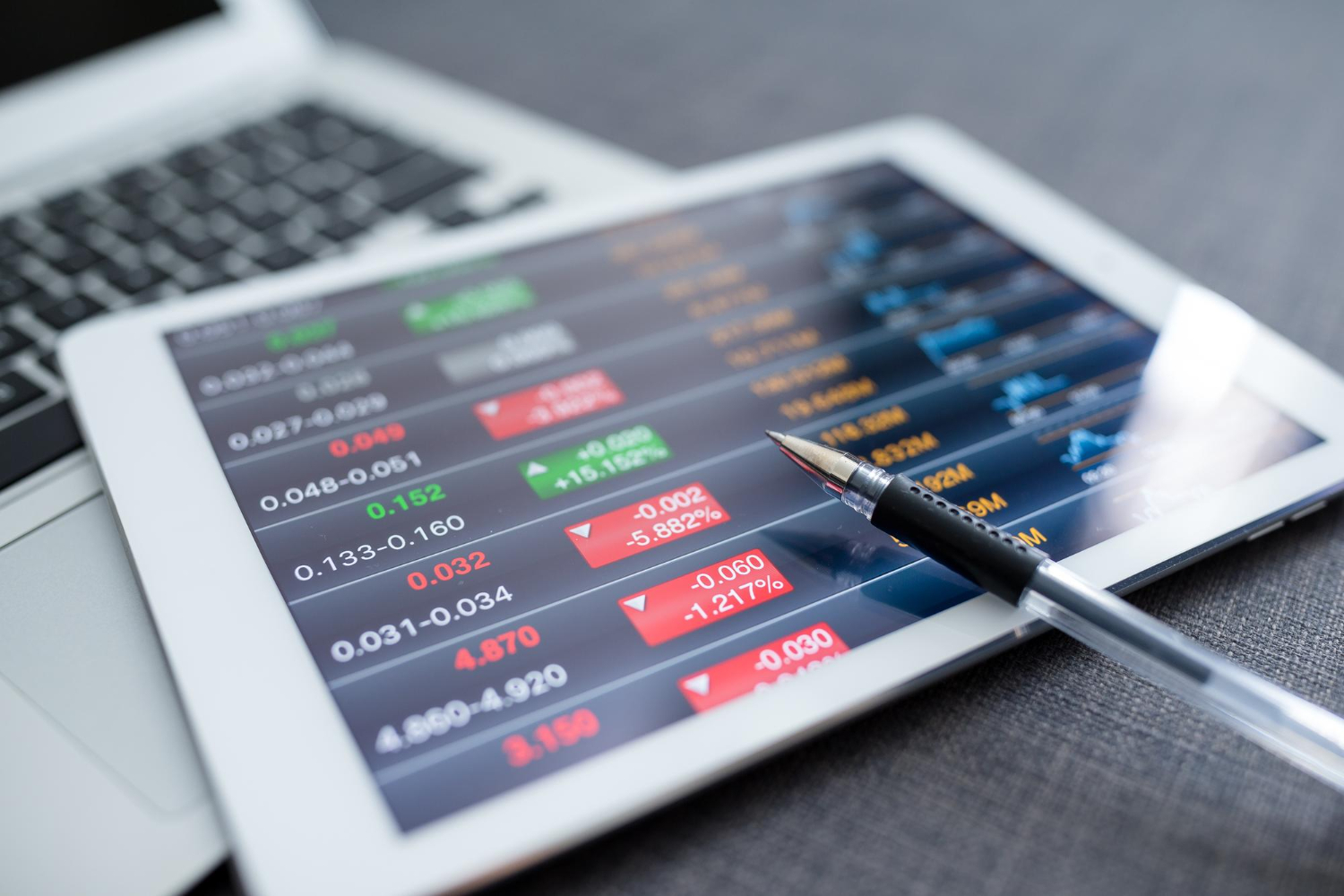
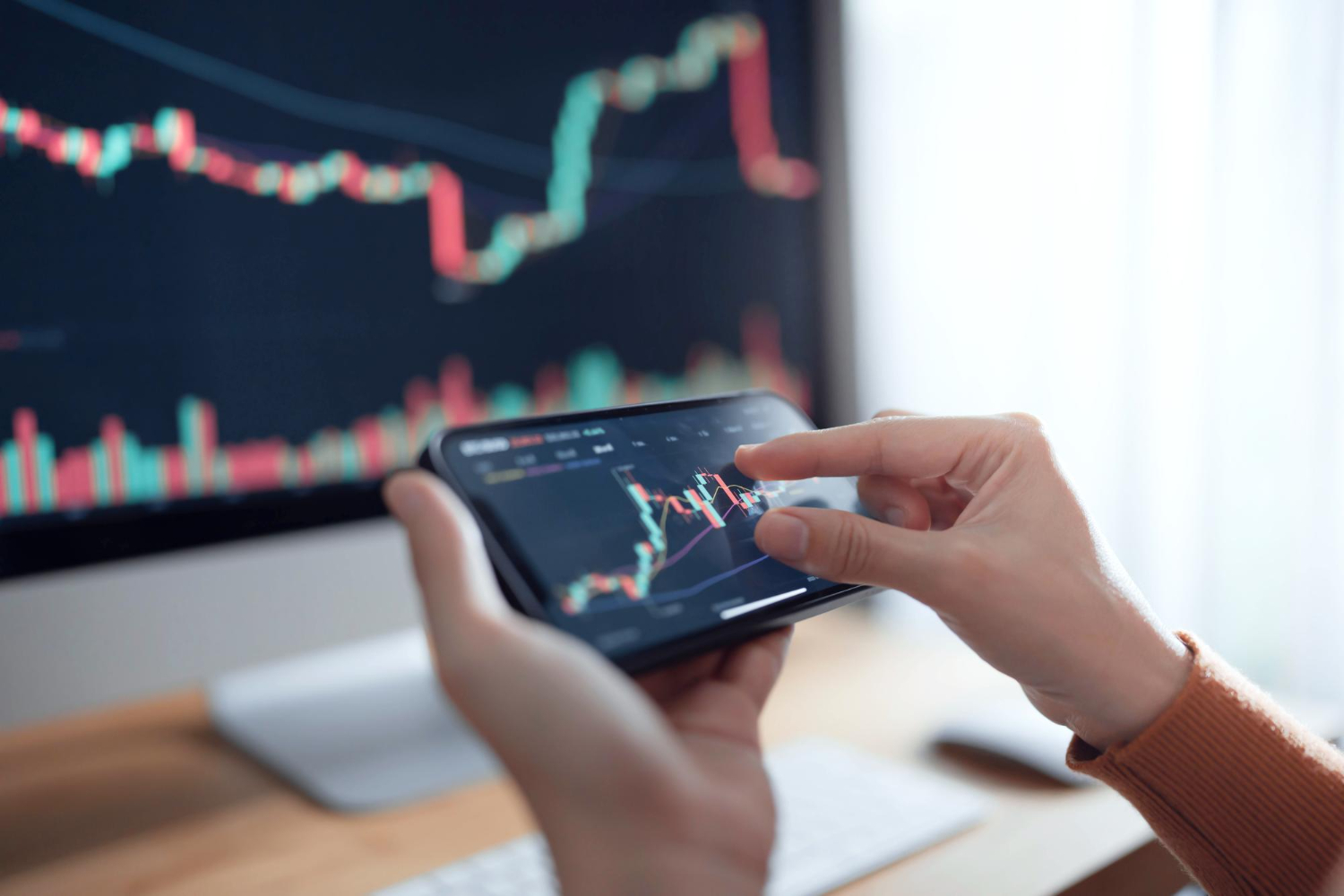
The trading landscape in India has undergone a remarkable transformation over the past few decades. With the advent of technology, the way traders access markets, execute trades, and manage their portfolios has evolved significantly. From the traditional desktop platforms of the past to the sophisticated mobile applications of today, this evolution reflects broader trends in technology, user behavior, and market accessibility. In this article, we will explore the journey of trading platforms in India, highlighting key milestones and innovations that have shaped the current trading environment.
The Early Days: Desktop Trading Platforms
1. Introduction of Online Trading
In the late 1990s and early 2000s, online trading began to take root in India. Before this era, trading was primarily conducted through physical brokers and stock exchanges. The introduction of online platforms marked a significant shift, allowing traders to access markets from the comfort of their homes.
2. Features of Early Platforms
Early desktop trading platforms were often basic, offering limited functionalities. Traders could place orders, view stock prices, and access market data. However, the user interfaces were not particularly intuitive, and the platforms lacked advanced analytical tools.
3. The Role of Brokers
During this period, full-service brokers dominated the market. They provided research, advisory services, and market insights, often charging higher commissions for their services. Traders relied heavily on these brokers for information and execution, which limited their autonomy and flexibility.
The Rise of Discount Brokers and Enhanced Functionality
1. Emergence of Discount Brokers
The mid-2000s saw the rise of discount brokers like Zerodha and Upstox, which revolutionized the trading landscape. These brokers offered lower fees, making trading accessible to a broader audience. They introduced user-friendly platforms that catered to the needs of retail traders.
2. Enhanced Features
With the entry of discount brokers, trading platforms began to evolve rapidly. Key features introduced during this period included:
– Advanced Charting Tools: Traders gained access to technical analysis tools, allowing them to make informed decisions based on price patterns and indicators.
– Real-Time Data: Platforms started providing live market data, enabling traders to monitor price movements and execute trades promptly.
– Research and Educational Resources: Many brokers began offering educational materials, webinars, and research reports to empower traders with knowledge.
The Mobile Revolution
1. The Shift to Mobile Trading
As smartphones became ubiquitous in the 2010s, the trading landscape shifted dramatically once again. Traders sought convenience and flexibility, leading to the development of mobile trading applications. The ability to trade on the go transformed how individuals engaged with the markets.
2. Features of Modern Mobile Platforms
Modern mobile trading platforms offer a plethora of features that enhance the trading experience:
– User-Friendly Interfaces: Mobile apps are designed for ease of use, with intuitive navigation and customizable layouts.
– Instant Notifications: Traders receive real-time alerts for price changes, news updates, and order execution, allowing them to respond quickly to market movements.
– Integrated Payment Solutions: Many mobile trading apps now allow seamless fund transfers and withdrawals, simplifying the trading process.
– Social Trading Features: Some platforms incorporate social trading elements, enabling users to follow and copy the trades of successful traders.
3. The Impact of Technology
The integration of technology into mobile trading has led to the emergence of innovative features such as algorithmic trading, robo-advisors, and AI-driven analytics. These advancements empower traders to automate their strategies and make data-driven decisions.
The Current Landscape: Hybrid Trading Platforms
1. Blending Desktop and Mobile Experiences
Today’s trading platforms offer a hybrid experience, allowing traders to switch seamlessly between desktop and mobile interfaces. This flexibility caters to the diverse preferences of traders, enabling them to access markets from multiple devices.
2. Comprehensive Trading Solutions
Modern platforms provide a comprehensive suite of tools and features, including:
– Multi-Asset Trading: Traders can access a wide range of asset classes, including equities, commodities, forex, and cryptocurrencies, all from a single platform.
– Advanced Research Tools: Enhanced analytical capabilities, including sentiment analysis and predictive analytics, help traders make informed decisions.
– Community and Support Features: Many platforms now include community forums, chat support, and educational resources to foster engagement and learning.
3. Regulatory Compliance and Security
As trading platforms have evolved, so too have the regulations governing them. The Securities and Exchange Board of India (SEBI) has implemented stringent regulations to ensure the safety and security of traders’ investments. Modern platforms prioritize cybersecurity, employing encryption and two-factor authentication to protect users’ data.
Conclusion
The evolution of trading platforms in India—from desktop to mobile—reflects the broader trends of technological advancement and changing user expectations. As traders increasingly seek convenience, flexibility, and advanced features, the landscape continues to innovate.
Today’s hybrid trading platform offers a wealth of tools and resources that empower traders to navigate the complexities of the financial markets with confidence. As we look to the future, it’s clear that the journey of trading platforms is far from over, and the next wave of innovations will undoubtedly shape how traders engage with the markets in the years to come. Whether you are a seasoned trader or just starting, embracing these advancements will be key to thriving in the ever-evolving world of trading. Happy trading!